On This Page
A landing page is a single page built around one action, such as signing up or buying. A sales funnel is the full journey that moves someone from first contact to customer, and it usually includes several steps: an ad or post, a landing page, a thank-you page, follow-up emails and a sales page or checkout. So they aren't competing choices. A landing page is usually one step inside a funnel.
The practical question is whether your funnel needs special features, such as upsells, order bumps and course hosting, or whether a few well-connected landing pages and an email tool are enough.
The Short Answer
- Landing page: one page, one goal.
- Sales funnel: the sequence of steps from interest to purchase.
- Simple funnels work fine with a landing page builder plus an email tool.
- Complex funnels with upsells, order bumps and courses may suit a funnel builder.
Side-by-Side Comparison
| Factor | Landing Page | Sales Funnel |
|---|---|---|
| What it is | A single focused page | A sequence of pages, emails and offers |
| Goal | One action | Move a visitor all the way to purchase, and beyond |
| Number of steps | One | Several |
| Typical parts | Headline, offer, proof, form or button | Opt-in page, thank-you page, emails, sales page, checkout, upsells |
| Measurement | Page conversion rate | Conversion at each step, plus revenue per visitor |
| Tools | Landing page builder | Landing page builder plus email tool, or an all-in-one funnel builder |
What a Sales Funnel Looks Like
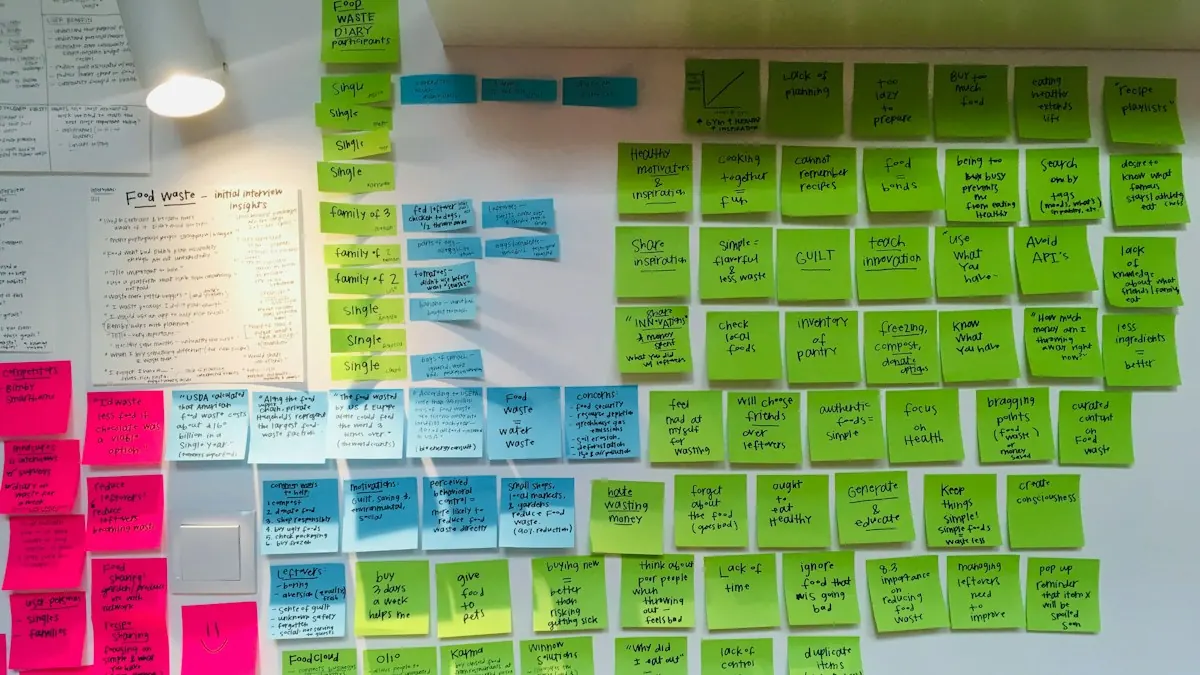
Funnels range from a two-step lead capture to a long sequence with multiple offers.
- Traffic: someone sees an ad, social post, search result or email.
- Landing page: they opt in for a free guide or webinar.
- Thank-you page: confirms the sign-up and points to the next step.
- Email follow-up: a series that builds trust and introduces the offer.
- Sales page: explains the paid product in detail.
- Checkout: payment, sometimes with an order bump or upsell.
- After purchase: onboarding emails, access and future offers.
Each step is a chance to lose people or move them forward. That's why funnel thinking is useful even if you only build one page: it reminds you to plan what happens before and after.
Examples of Common Funnels
Lead Magnet Funnel
Opt-in page → thank-you page → welcome emails → offer. Common for coaches, creators and service businesses.
Webinar Funnel
Registration page → reminders → live or recorded webinar → sales page with a time-limited offer.
Tripwire Funnel
Opt-in → low-price offer on the thank-you page → upsell to a bigger product.
Product Launch Funnel
Waitlist page → pre-launch content → launch sales page → cart closes.
Free Trial Funnel
Trial sign-up page → onboarding emails → upgrade prompts in the product.
Local Service Funnel
Ad → quote request page → confirmation page → call or follow-up email.
When a Single Landing Page Is Enough
Many businesses don't need a complex funnel to start. A single page works well when:
- You're collecting leads that your team follows up by phone or email.
- The offer is simple, such as a free consultation or a quote.
- You're promoting an event with registration and reminder emails.
- You sell one product with a straightforward checkout.
In these cases, a focused landing page, a thank-you page and an email sequence form a perfectly good funnel.
When You Need Funnel Features
Some funnel features go beyond a standard landing page builder.
| Feature | What It Does | Typical Tools |
|---|---|---|
| Order bumps | Add-on offer at checkout | Funnel builders like ClickFunnels and Systeme.io |
| One-click upsells | Extra offer after purchase without re-entering payment | Funnel builders |
| Course and membership hosting | Deliver paid content | Funnel builders, course platforms |
| Built-in email automation | Emails inside the same tool | All-in-one platforms |
| Affiliate program management | Track partners who sell for you | Some all-in-one platforms |
| Advanced page testing and optimization | Test and improve pages | Landing page builders like Leadpages and Unbounce |
If your business depends on upsells and order bumps, an all-in-one funnel builder can make sense. Our Leadpages vs ClickFunnels comparison and Leadpages vs Systeme.io comparison look at the trade-offs.
Building a Funnel With a Landing Page Builder
You can build a full funnel with a landing page builder by linking pages together and connecting an email tool.
Example: A Lead Magnet Funnel in Leadpages
Step 1: An opt-in page offering a free planning template, built from a Leadpages template.
Step 2: The form sends sign-ups to your email tool and redirects them to a thank-you page.
Step 3: The thank-you page delivers the template and offers a short paid workshop with Stripe checkout on the page.
Step 4: Your email tool sends a welcome sequence and reminders about the workshop.
Step 5: A sales page for your main program, linked from the emails, takes payment with Stripe checkout.
This approach gives you strong page design, testing and analytics, while your email platform handles follow-up. It suits many businesses better than an all-in-one tool, especially if you already have an email platform you like.
Build every page of a simple funnel, from opt-in to checkout, with Leadpages templates, Stripe checkout and native integrations with popular email tools.
Try LeadpagesChoosing Your Tool Setup
| Setup | How It Works | Best For |
|---|---|---|
| Landing page builder plus email tool | Pages, forms and checkout in the builder; follow-up in your email platform | Businesses that want strong pages and already have an email tool |
| All-in-one funnel builder | Pages, email, checkout, upsells and courses in one tool | Course creators and info-product sellers |
| Website plus plugins | Funnel pages built inside your existing site | Teams comfortable maintaining their own website |
There's no single right answer. A landing page builder suits businesses that care most about page quality and testing, while an all-in-one platform suits those who want everything in one bill and one login.
Measuring a Funnel
Measure each step, not just the end result.
- Landing page conversion rate: visitors who opt in or buy.
- Email engagement: opens and clicks on your follow-up sequence.
- Sales page conversion rate: visitors who buy.
- Revenue per visitor or lead: the number that shows if the whole funnel works.
If the funnel underperforms, find the step with the biggest drop and fix that first. Our landing page conversion rate guide explains what good looks like.
Sales Funnel vs Landing Page FAQs
What's the difference between a sales funnel and a landing page?
A landing page is a single page with one goal. A sales funnel is the full journey, often including a landing page, thank-you page, emails, sales page and checkout.
Is a landing page part of a sales funnel?
Usually, yes. Landing pages are often the entry point to a funnel, where visitors first opt in or buy.
Do you need a funnel builder?
Only if you need features like order bumps, one-click upsells or course hosting. Many funnels work well with a landing page builder and an email tool.
Can you build a sales funnel with Leadpages?
Yes, by linking opt-in, thank-you and sales pages, connecting your email tool and taking payments with Stripe checkout. Leadpages doesn't host courses.
Which converts better, a funnel or a landing page?
They do different jobs. A funnel includes landing pages, so the better question is which steps your offer needs and where people drop off.